4 Nights 5 Days Hornbill Festival Tour Package 2023
Durations5 Days
Tour TypeDOMESTIC TOUR
Hornbill Festival of Nagaland:
The Hornbill Festival of Nagaland is one of the biggest cultural extravaganzas in the North East. It is also called the ‘Festival of Festivals‘. The Hornbill Festival is a festival to revive, protect, sustain, and promote the richness of the Naga heritage and traditions. This festival usually takes place between the 1st and the 10th of December every year in Naga Heritage Village, Kisama.
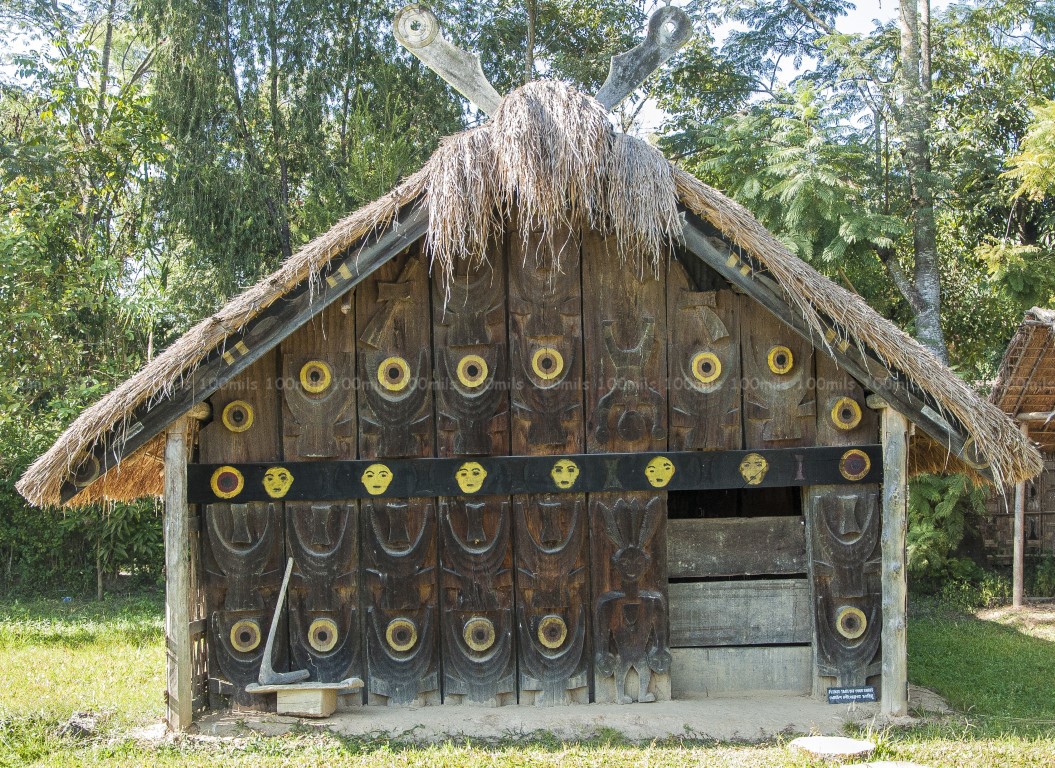
It is a celebration of the rich cultural heritage of the Nagas. During the Hornbill Festival, all the Naga tribes come together for a week-long celebration of their cultural and traditional plight. It’s a time where all these tribes gather up to showcase their age-old traditions and come closer to knowing each other. The main events of the festival take place at the Naga Heritage Village, Kisama. Traditional Naga huts and Morungs (boy’s dormitories) typical to each of the Naga tribes are built and erected in a way that closely resembles their traditional euphoria on a small hillock in Kisama. The place itself is scenic and mystical, and the festival is simply epic!
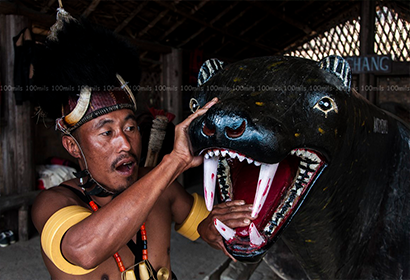
The Hornbill Festival of Nagaland celebrations are marked with a colourful display of traditional dances, sports, and songs of the various Naga tribes.Cultural dances, indigenous sports, and folk songs are the main highlights of the festival. And one can get to see a colourful and vibrant celebration of a culture that’s so mystic and intriguing. The warrior log drums, the colourful headgear, the soulful war cry, the exquisite costumes etc. all are simply remarkable in their own ways. Delicious local cuisines and delicacies that are typical to each of the Naga tribes are served in their respective Morungs along with the finest rice beer. The amazing food simply makes it a gastronomic festival.
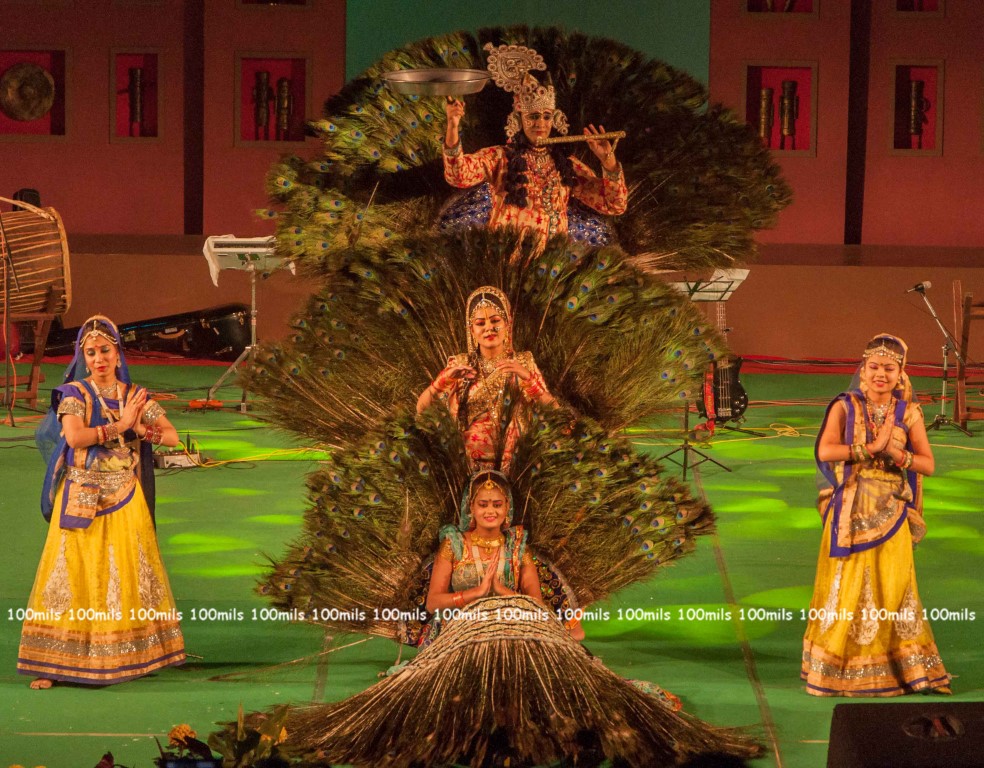
The Hornbill Festival of Nagaland , over the years, has evolved from being just a celebration of the culture and tradition of the Nagas into one big cultural event for all the 8 Northeast States. Cultural troupes from all the northeastern states participate during this week-long celebration and it is such a delight watching all the different cultures coming together under one roof. It is a great time to experience the cultural diversity of North East India on a go.
Main events/highlights of the Hornbill Festival:
1. Cultural events spread throughout the festival highlighting traditional dances, music, indigenous games.
2. King Chilly Eating Contest.
3. Port Fat Eating Contest.
4. The Hornbill Rock Festival.
5. North East Cultural Ensemble.
6. Hornbill Adventure Rally.
7. The Kohima Night Bazaar.
8. World War Peace Rally.
Kohima
The Kohima Night Bazaar is also an interesting aspect of the Hornbill Festival. The stretch of the Kohima Main town comes alive for 10 nights with food, music, and fun. The street is overcrowded with various food stalls serving out some of the finest delicacies and it’s simply amazing walking through the hustle-bustle.
In 1944 during World War II, the Indian National Army with the help of Japanese Army, led by Netaji Subhashchandra Bose, invaded through Burma and attempted to take India through Kohima. There is the World War II Cemetery, and the War Museum, in honour of those who lost their lives during World War II during the fighting between British Empire and Japanese troops. Nearly 4,000 British Empire troops lost their lives, along with 3,000 Japanese. Many of those who lost their lives were Naga people, particularly of Angami tribe. Near the memorial is the Kohima Cathedral, on Aradura hill, built with funds from the families and friends of deceased Japanese soldiers.
A male activity, would involve separating men from their women before, during and after coming back from an expedition. The women, as a cultural practice, would encourage men to undertake head-hunting as a prerequisite to marriage. The men would go on an expedition against other tribes or neighbouring kingdoms, and kill to score number of heads they were able to hunt. A successful head hunter would be conferred a right to ornaments. The practice of head hunting was banned in 19th century British India, but the Naga tribes practised headhunting and preserved the heads of enemies as trophies as late as 1969.
The Dzukou Valley is a valley located at the border of the states of Nagaland and Manipur in northeast India. This valley is well known for its natural environment, seasonal flowers and flora and fauna. It is situated at an altitude of 2452 m above sea level. The rare Dzukou Lily is found only in this valley. The valley is famous for its wide range of flower in every season. But the most famous one is the Dzukou lily.
Nagaland is home to the bhut jolokia or ghost pepper, one of the hottest chilis in the world at 855,000 SHU on the Scoville scale. All the tribes of Nagaland have their own cuisine, and they use a lot of meat, fish, and fermented products in their dishes. However, the state dish is smoked pork cooked with fermented soya bean. Naga dishes use a lot of locally grown herbs, ghost peppers, ginger, and garlic. Famous dishes include snails cooked with pork and silkworm larvae, which is an expensive delicacy of the state. Galho is a vegetarian porridge cooked with rice, leaves, and condiments. Drinks include zutho and thutse, beers made with sticky rice.
Itinerary:
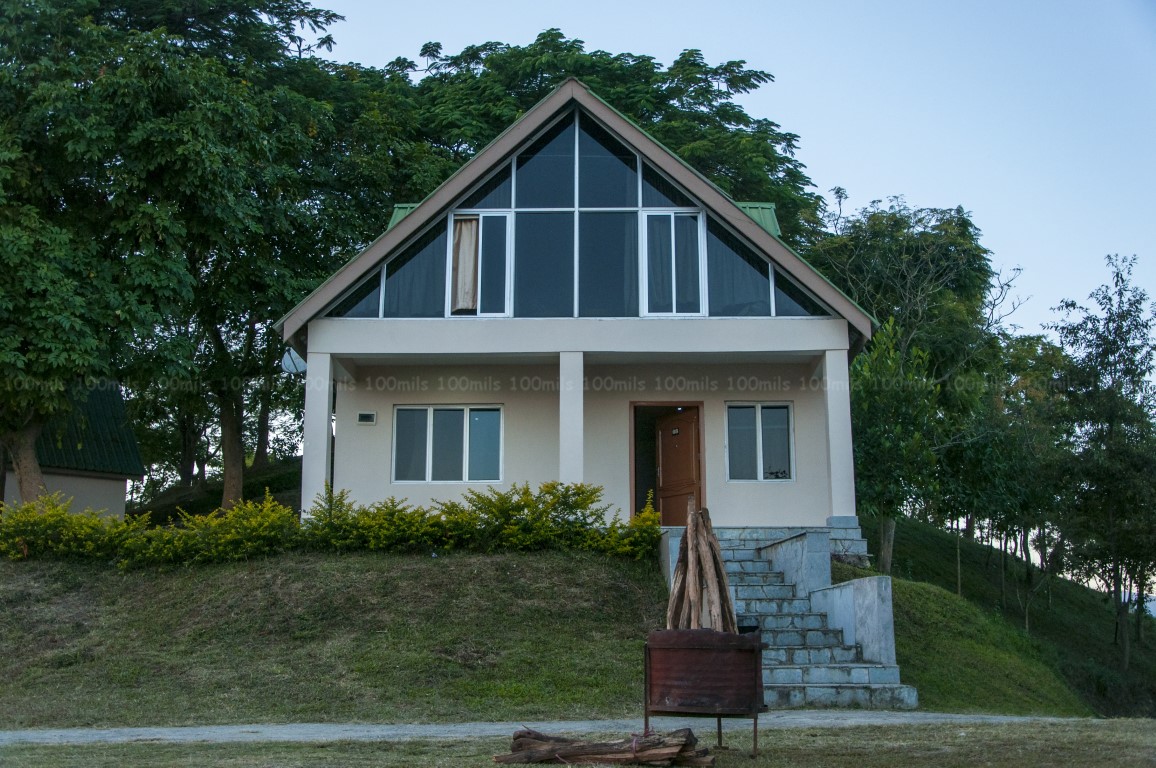
Day 1: Airport-Kohima: On arrival at Dimapur, directly transfer to Kisama Heritgae Village (Hornbill venue) and check in to your Festival Tent/Homestay.
Day 2: Kohima (Hornbil venue): After breakfast, visit the festival ground which is just around 150 meters from the festival ground. Witness the naga heritage and cultural shows. Meals: Breakfast
Day 3: Kohima (Khonoma tour): After breakfast, half day experience the festival venue and second half depart for Khonoma village tour. Late afternoon, return to Festival ground.Meals: Breakfast
Day 4: Kohima (Dzukou Trek): Early morning at around 6 AM, depart for Viswema village (around 30+ km) to the last motorable point with a guide. Start your trek to Dzokou around 03 hours. Explore the valley for around 03 hours. At around 1Pm, start your return trek to the pickup point. Evening, visit the festival venue.
Day 5: Kohima-Airport drop: After breakfast, check out from the campsite and get transferred to the airport/railway station of Dimapur. Tour ends.Meals: Breakfast
Notes:
1. Dimapur to Kohima is around 04 hours driver. Sometimes, it takes more time due to festival traffic.
2. Guwahati to Kohima is around 10 hours and 6 hours from Imphal airport.
3. During Hornbill festival Inner Line Permit for Indian. Foreign nationals have to report at the local SP office within 24 hours of arrival.
Package Rates:
Accommodation
Vehicle
02 Persons
04 Persons
06 Persons
Homestay
Sumo/Swift Dzire/Indigo
Rs. 26,000 per person
Rs. 21,000 per person
Rs. 19,000 per person
3 star category Resort
Sumo/Swift Dzire/Indigo
Rs. 30,000 per person
Rs. 25,000 per person
Rs. 23,000 per person
Includes:
Accommodation: 04 nights on sharing basis with breakfast
Meals: breakfast
Vehicle: Airport to airport exclusive vehicle.
Guides: Dzukou valley trek.
Excludes:
Parking fees if any.
Any extra meals.
Any back up services or insurance.
Anything not specifically mentioned in the above ‘Includes’ segment.